
Bathing is one of the most personal care activities in a long-term care setting. It requires careful coordination between staff, equipment, and resident needs. A smooth mobile patient transfer process can make a significant difference in both safety outcomes and resident comfort. When the right equipment works together, the experience improves for everyone involved. Facilities that understand this connection are better positioned to deliver consistent, dignified care every day.
Understanding Mobile Patient Transfer in Long-Term Care
A mobile patient transfer involves moving a resident from one surface or position to another. This happens frequently during bathing routines. In long-term care and assisted living environments, residents often have limited mobility. Some may be fully dependent on staff assistance. Others may have partial weight-bearing ability.
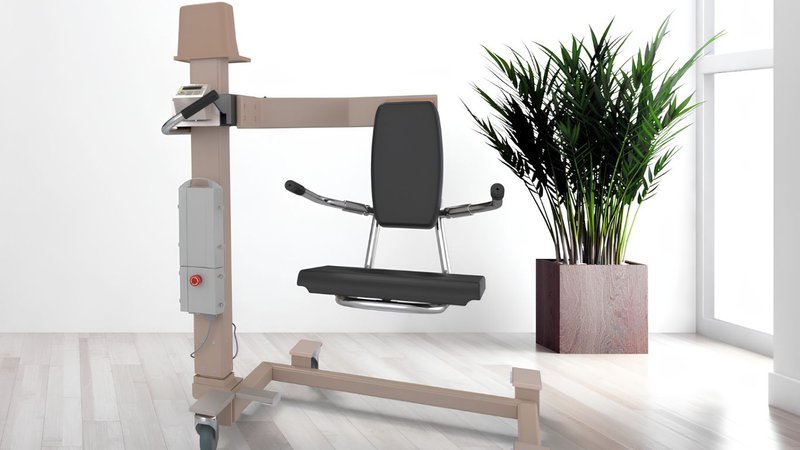
The challenges are real. Staff must manage physical demands while keeping residents safe. Poorly matched equipment increases the risk of falls, injuries, and discomfort. That is why the transfer process deserves as much attention as the bathing system itself.
Facilities that invest in well-matched equipment see measurable results. Fewer incidents. Faster routines. More confident caregivers. The transfer experience sets the tone for the entire bathing session.
The Role of Side-Entry Design in Safe Transfers
Side-entry bathing systems are designed with accessibility as a priority. Residents can be positioned and transferred laterally, which reduces the need for overhead lifting. This approach aligns well with modern safe-handling practices in healthcare settings.
A side-entry configuration accommodates individuals who require mechanical lift assistance. The open-access design allows caregivers to approach from multiple angles. This flexibility is especially valuable when working with residents who have complex positioning needs.
Side-entry access also reduces physical strain on staff. Fewer awkward movements mean a lower risk of caregiver injury. This matters greatly in facilities navigating staffing challenges. Equipment that supports staff wellness is an investment in long-term operational stability.
Matching Equipment to Resident Needs
Not every resident has the same level of mobility. A one-size-fits-all approach to bathing technology rarely works in practice. Attentive matching of transfer tools to bathing systems creates a more predictable and dignified experience.
When evaluating a mobile patient transfer setup, consider these key factors:
- Resident weight capacity and positioning requirements
- The type of lift or transfer device already in use at your facility
- The level of caregiver assistance typically needed per resident
- Space availability and layout in your bathing area
- Ease of adjustment between different resident sizes and care needs
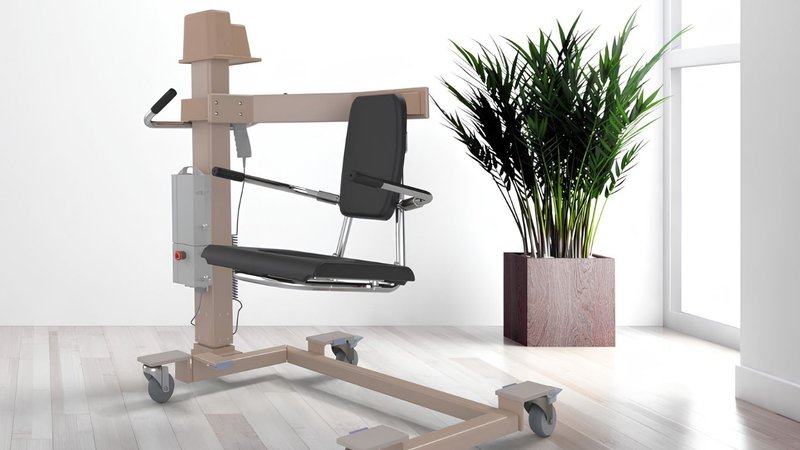
Side-entry systems pair naturally with ceiling lifts and portable floor lifts. The bathing surface height and entry angle should complement the lift's range of motion. When these elements align, transfers become smoother and more predictable. Staff confidence grows when the setup is intuitive to use.
Staff Efficiency and Resident Dignity Go Hand-in-Hand
Efficiency and dignity are not competing priorities. Well-designed equipment supports both at the same time. When transfers are seamless, routines take less time. Staff feel more confident. Residents feel more respected. The bathing experience shifts from something stressful to something manageable, even positive.
Caregiver fatigue is a genuine concern in long-term care. Reducing physical effort helps protect your workforce. It also contributes to better staff retention over time.
Residents respond to how the process feels. Smooth, tactful handling communicates professionalism and respect. It reinforces trust between resident and caregiver. That trust is foundational to quality care delivery.
The Right Fit for Your Facility
Penner Bathing has been manufacturing bathing systems since 1980. The company offers 40 different combinations of bathing equipment, more than any other manufacturer in the world. That variety exists because no two facilities are exactly alike.
The Contour Side-Entry Series is designed to integrate with mobile patient transfer equipment without friction. Built-in disinfection systems are available on all Penner models. This ensures hygiene standards remain high across every bathing session.
Penner Bathing's approach centers on three principles: dependability, low cost of ownership, and ease of operation. These values translate directly into practical benefits for Directors of Nursing and Administrators. Equipment that works reliably, costs less to maintain, and is quick to learn supports your care goals at every level.
If you're evaluating your current bathing setup or planning a facility upgrade, the right pairing can make a real difference. Contact Penner Bathing today to learn more about the Contour Side-Entry Series. Find the configuration that best fits your facility's needs.