
Long-term care facilities depend on reliable bathing systems day in and day out. These systems see multiple uses daily and must perform safely with minimal interruption. Medical-grade bath oils and purpose-formulated additives are a critical part of that equation. Understanding what goes into your bathing system is just as important as knowing when to service it. The right products can make a real difference in how long your equipment performs at its best.
Why Product Compatibility Is a Clinical and Operational Priority
Not all bath additives are formulated for clinical use. Many general-use products contain fragrances, dyes, and emollients that were never tested alongside commercial bathing equipment. These substances can leave residue on jets, valves, and internal surfaces. Over time, that buildup creates blockages and mechanical strain on critical components.
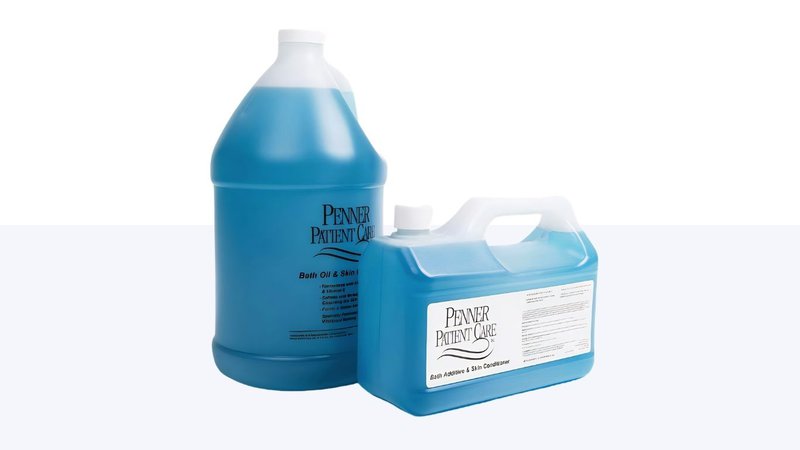
In a long-term care setting, this matters on multiple levels. Incompatible products can challenge infection control protocols and increase repair frequency. They can also shorten the effective service life of your bathing systems. Choosing the right products from the start is a straightforward way to avoid preventable setbacks.
What Sets Medical Grade Bath Oils Apart from Generic Alternatives
Developers build medical-grade bath oils with clinical environments in mind. They are effective on skin while remaining compatible with equipment materials, seals, and internal components. These products go through testing to confirm they do not interfere with system performance or disinfection cycles.
Several key characteristics set them apart from standard consumer alternatives:
- Free of harsh additives that can corrode or degrade internal components
- They rinse cleanly without leaving residue on surfaces, tubing, or jets
- They support skin hydration without compromising hygiene protocols
- Compatible with the disinfection systems built into commercial bathing equipment
- They meet safety standards appropriate for residents with sensitive skin or complex health needs
These qualities make a meaningful difference in both resident comfort and long-term equipment reliability.
How the Wrong Additives Accelerate System Wear
Commercial bathing systems are engineered for durability. Their longevity, however, depends on proper use and care. When facilities introduce generic or household-grade products, the consequences are not always visible right away.
Deterioration accumulates gradually. Oils that do not rinse cleanly coat internal tubing and jet components. This creates environments where bacteria may harbor, compounding sanitation challenges.
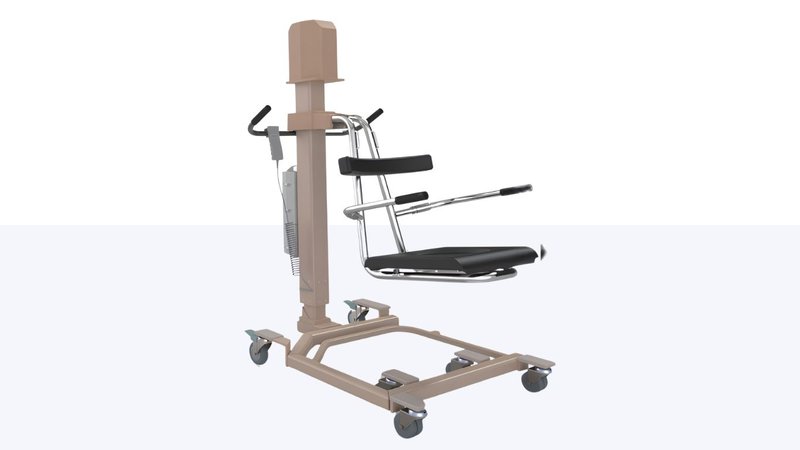
Mineral deposits from incompatible formulations can also impair valve function and reduce flow efficiency. Seals and gaskets may degrade faster when exposed to harsh chemical compounds. Each of these issues adds to the total cost of ownership. Addressing damage after the fact is always more expensive than prevention.
The Role of Additives in Supporting Infection Control
Infection control is a constant priority in long-term care and assisted living facilities. Bathing systems are high-contact surfaces that require thorough sanitization between each resident use. When bath additives leave behind chemical residue, they can interfere with the disinfection process.
Residue creates a barrier that reduces the effectiveness of sanitizing agents. It can also obscure surfaces that need attention during routine cleaning. Purpose-built medical-grade bath oils are developed to work alongside disinfection protocols. Using appropriate products makes it far easier to maintain a consistently safe environment for every resident. It also gives care staff one less variable to manage.
Formulated for the Systems You Rely On
Penner Bathing has been a trusted name in commercial bathing systems since 1980. Their lineup includes more than 40 system configurations, more combinations than any other manufacturer worldwide.
Built-in disinfection systems come standard on all Penner models. Penner also offers proprietary bath additives developed specifically for use with their equipment. These formulations are crafted to support resident well-being while protecting system performance over the long term.
Selecting the right additive is not simply a purchasing decision. It is a maintenance strategy with real value. Facilities that invest in well-matched, purpose-made products tend to see fewer service calls and longer equipment life. To learn more about Penner's systems and proprietary additives, contact the team today.