
In long-term care and assisted living facilities, the infection control nurse plays a vital role in protecting residents from preventable illness. Bathing is one of the most routine yet highest-risk activities when it comes to cross-contamination. Water, surfaces, and shared equipment can all become pathways for dangerous pathogens.
Residents in these settings often have compromised immune systems, making prevention even more critical. Having the right tools and procedures in place makes a meaningful difference for residents and care teams alike.
Understanding Cross-Contamination Risks in Bathing Environments
Bathing areas in care facilities experience high traffic and frequent equipment use every day. Shared bathing systems, residual moisture, and inconsistent cleaning practices create very real risks. Pathogens like MRSA, C. difficile, and Pseudomonas aeruginosa can survive on surfaces far longer than most people expect.
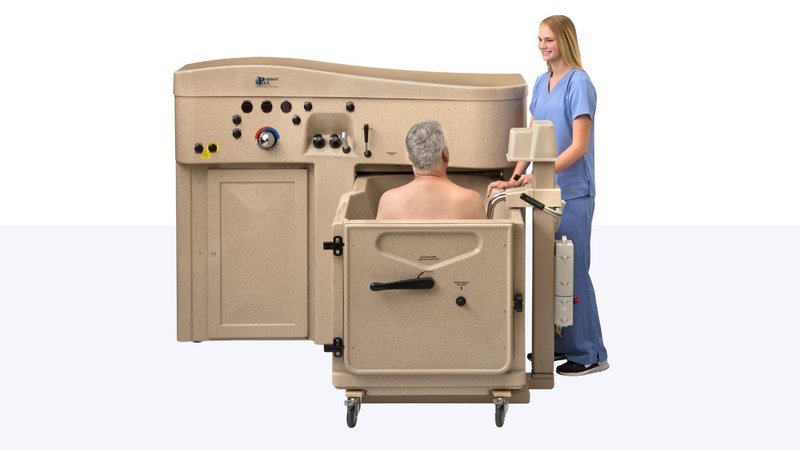
Cross-contamination often occurs in subtle, easy-to-miss ways. A caregiver's gloves may contact one resident's skin and then touch equipment used by the next. Water that pools in tub basins or on transfer surfaces can harbor bacteria between uses. Aerosolized water droplets can also spread contaminants to surrounding surfaces. These moments accumulate quickly in a busy care environment. Recognizing these touchpoints is the first step toward addressing them systematically.
The Importance of Equipment Design in Reducing Pathogen Spread
Not all bathing equipment is designed with infection prevention in mind. Construction materials, surface textures, and drainage features all matter. They influence how easily a system can be cleaned and disinfected.
Smooth, non-porous surfaces are far easier to sanitize than textured alternatives. Equipment with hard-to-reach crevices retains moisture and organic debris. This creates conditions where microorganisms thrive between resident uses.
Drainage design is another key factor. Standing water increases contamination risk substantially. Systems that drain completely and quickly reduce the window for bacterial growth. Full surface access during cleaning ensures that no area is overlooked.
Material durability also affects long-term hygiene. Surfaces that crack or deteriorate over time become harder to disinfect properly. Investing in well-constructed equipment is an investment in resident safety.
Protocols That Strengthen the Infection Control Nurse's Effectiveness
Even the best equipment falls short without strong procedures supporting it. Clear, consistent steps give care teams a reliable framework. This is where the infection control nurse has the most direct influence on resident outcomes.
A solid disinfection protocol does more than outline what to clean. It specifies how to clean, in what order, and for how long. Contact time for disinfectants is a commonly overlooked detail. Many products require a specific dwell time to work properly. Rushing through a cleaning step can leave active pathogens behind.
Well-structured protocols should address:
- Pre-use inspection of all bathing equipment for visible soiling or damage
- Step-by-step cleaning and disinfection procedures between each resident use
- Required contact time for disinfectant products to work as intended
- Documentation requirements to verify cleaning compliance
- Specific procedures for managing equipment after contact with high-risk or isolation residents
Written procedures remove guesswork. When every team member follows the same steps, the chance of gaps drops substantially. Regular audits and spot checks help maintain accountability over time.
Staff Training and the Culture of Infection Prevention
Protocols are only as strong as the people following them. New staff may not fully understand why certain steps are critical. Experienced caregivers may develop shortcuts over time. Both scenarios introduce unnecessary risk.
Training should go beyond reviewing checklists. Staff need to understand the reasoning behind each procedure. When caregivers grasp that skipping a disinfection step can directly harm a resident, compliance tends to improve. Education builds a culture of shared responsibility.
Refresher sessions should happen regularly, not just during onboarding. High turnover in care settings makes ongoing instruction especially important. Scenario-based training can be particularly useful. It helps staff apply procedures in real-world situations rather than simply memorizing steps. The infection control nurse is often best positioned to lead these sessions and keep facility standards current and relevant.
Equipping Your Facility With a Dependable Bathing Solution
Equipment selection is a strategic decision, not just a purchasing one. Penner Bathing has been designing and manufacturing bathing systems for long-term care and assisted living facilities since 1980. Their systems are built around three core priorities: dependability, low cost of ownership, and ease of operation.
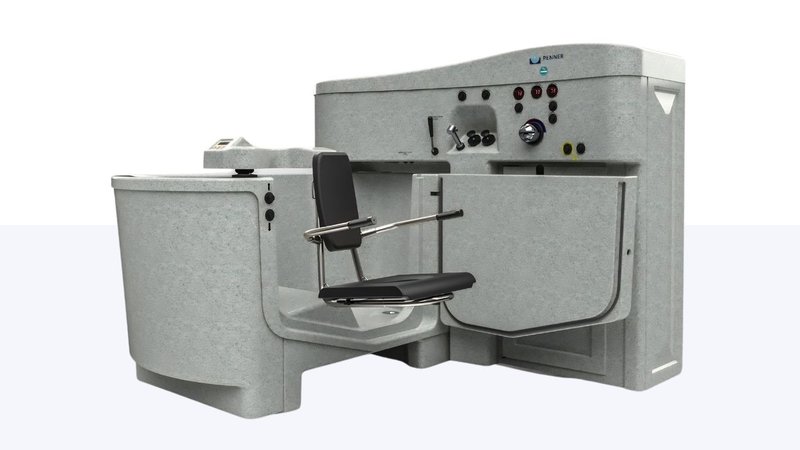
Penner Bathing offers 40 different bathing system combinations, more than any other manufacturer in the world. Every model includes a built-in disinfection system. This feature adds a consistent, automated layer of protection between resident uses. It reduces reliance on manual disinfection alone and directly supports the infection control nurse's broader prevention goals.
Their team understands the operational realities of care settings. If you are evaluating bathing equipment for your facility, contact Penner Bathing today. Their team will help you find the right solution for your residents and your staff.