
Managing assisted living facility costs is one of the most pressing responsibilities administrators and directors of nursing carry today. Every capital investment carries financial weight. Bathing equipment may seem like a routine day-to-day expense. But it functions more like foundational infrastructure.
The right bathing system affects staffing, safety, compliance, and resident care quality. Each of these factors connects directly to the financial health and long-term valuation of a facility. Understanding this relationship helps leadership make smarter purchasing decisions.
The Full Picture of Assisted Living Facility Costs Over Time
The purchase price of any equipment is just the starting point. Total cost of ownership includes maintenance, repairs, replacement parts, and downtime. Facilities that overlook these factors often face unplanned expenditures. These costs accumulate quickly over years of daily use. Facilities operating on tighter margins feel these gaps most acutely.
When comparing bathing systems, administrators should evaluate:
- Durability under daily, high-frequency use conditions
- Availability and responsiveness of manufacturer service support
- Impact of equipment downtime on resident care schedules
- Energy and water consumption per bathing cycle
- Warranty coverage and long-term parts availability
A well-built bathing system requires fewer repairs and has a longer service life. Both translate to lower long-term spending. Investing in reliable infrastructure at the outset is often far more cost-effective than replacing lower-quality systems prematurely.
Staff Efficiency and Workforce Retention
Labor represents one of the largest assisted living facility costs in any long-term care setting. Bathing assistance is physically demanding work. Equipment that is cumbersome to operate increases caregiver strain. That strain contributes to fatigue, injury risk, and higher turnover.
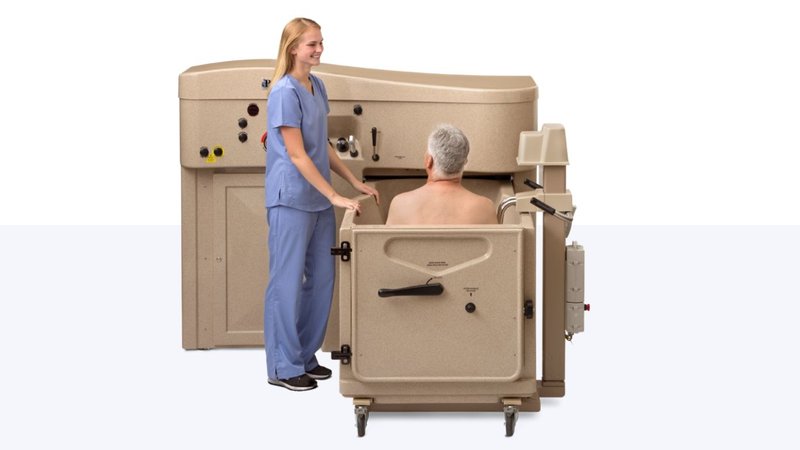
Modern bathing systems are built with ergonomics in mind. Height-adjustable designs and intuitive controls streamline daily routines. Care teams can assist residents more safely without compromising their own physical well-being. Practical, well-designed tools contribute to higher job satisfaction.
Retaining experienced caregivers reduces recruiting and onboarding costs. It also maintains care consistency, which residents and families value. Equipment that actively supports the workforce is an investment in both people and operational stability.
Resident Safety, Outcomes, and Facility Reputation
A facility's reputation is among its most valuable intangible assets. It shapes occupancy rates, referral volume, and family trust. Safety incidents during bathing can seriously damage that standing. Falls, transfer injuries, or hygiene lapses affect resident well-being and increase liability exposure.
Bathing systems designed for safety minimize transfer risks. They accommodate a range of mobility levels and physical conditions. This is especially important in environments serving residents with complex care needs.
Infection prevention is equally significant. Shared bathing environments carry inherent hygiene risk when sanitation practices are inconsistent. Equipment designed for thorough, straightforward cleaning helps staff maintain proper protocols between uses. Consistent hygiene practices lead to better health outcomes. Those outcomes reflect directly on a facility's standing among families, referral networks, and surveyors.
Assisted Living Facility Costs: Compliance Standards and Financial Risk Management
Regulatory compliance in long-term care is both a legal requirement and a financial protection strategy. Deficiencies and citations carry real consequences. They affect reimbursement rates, occupancy, and a facility's ability to attract qualified professionals.
Bathing equipment plays a direct role in meeting hygiene and safety standards. Systems that are easy to clean and maintain help the care team uphold sound practices. Well-maintained equipment also supports audit readiness.
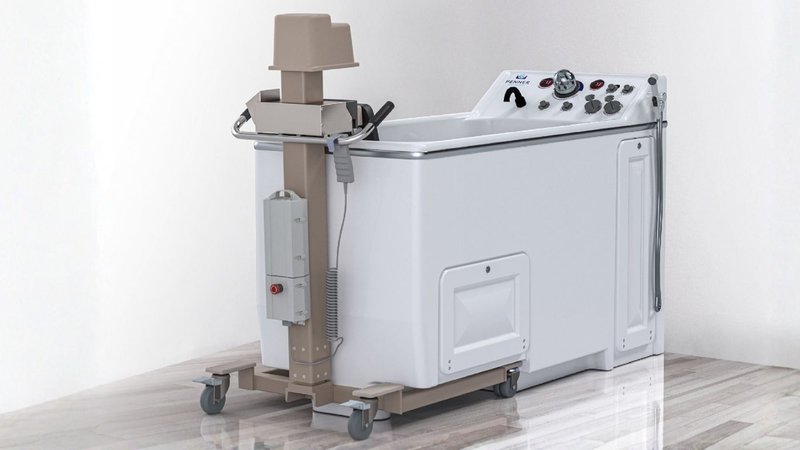
Proactive investment in compliant infrastructure lowers regulatory exposure. It also signals to surveyors, families, and referral sources that a facility prioritizes quality. In a competitive market, that signal carries genuine financial value. Treating compliance as a criterion when selecting equipment is a strategic decision, not just an administrative one.
Investing in the Right Partner for Your Facility
When evaluating bathing infrastructure, the manufacturer behind the system matters as much as the product itself. Penner Bathing has served long-term care and assisted living communities since 1980. The company manufactures 40 different combinations of bathing systems, more than any other manufacturer in the world.
That range of options allows administrators to find a solution suited to their specific layout, resident population, and budget. Built-in disinfection is a standard feature on all Penner Bathing models, supporting consistent infection control without adding complexity to daily workflows.
Penner Bathing's three core commitments are dependability, low cost of ownership, and ease of operation. These principles align directly with what administrators prioritize in a long-term investment. If your facility is reassessing its bathing infrastructure, their knowledgeable team is ready to help. Reach out to Penner Bathing to explore the right solution for your community.