
Walk-in tubs are often marketed purely as a safety upgrade. But there's more to the story. Clinical research on warm-water immersion, known as hydrotherapy, points to measurable benefits for pain, circulation, and sleep.
This article breaks down five science-supported therapeutic benefits of walk-in bathtubs, from easing joint pain to improving how you sleep at night.
TL;DR
- Warm-water immersion can ease joint and muscle pain, support circulation, and calm stress
- These effects come from clinical research on passive heating, not just marketing claims
- Features like hydro-massage jets and heated seating can enhance a soak's comfort and consistency
- A well-built, safety-certified tub delivers these benefits without adding fall risk
What Is Hydrotherapy and How Walk-In Tubs Deliver It
Hydrotherapy is the therapeutic use of water, in varying temperatures and pressures, to promote health or ease discomfort. It's not a modern invention. Ancient Greek bathhouses used warm water for wellness centuries before the term "hydrotherapy" existed.
Three mechanisms make warm bathing therapeutic:
- Warmth increases blood flow to the skin and muscles, encouraging relaxation
- Buoyancy takes weight off joints, bones, and connective tissue submerged in water
- Hydrostatic pressure supports circulation and oxygen transport throughout the body
Walk-in tubs are built to deliver these effects safely at home.
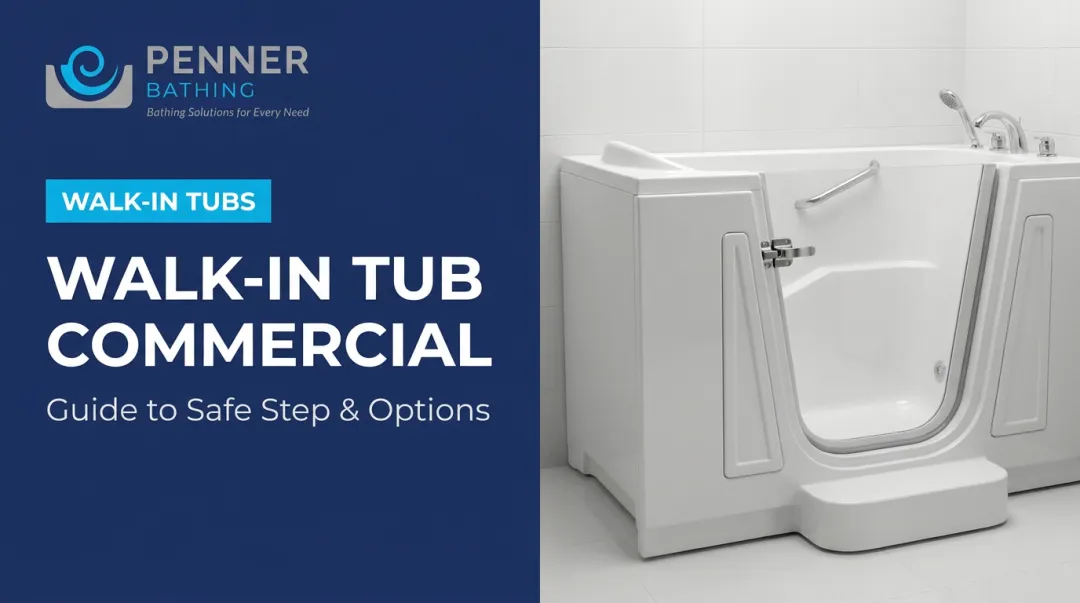
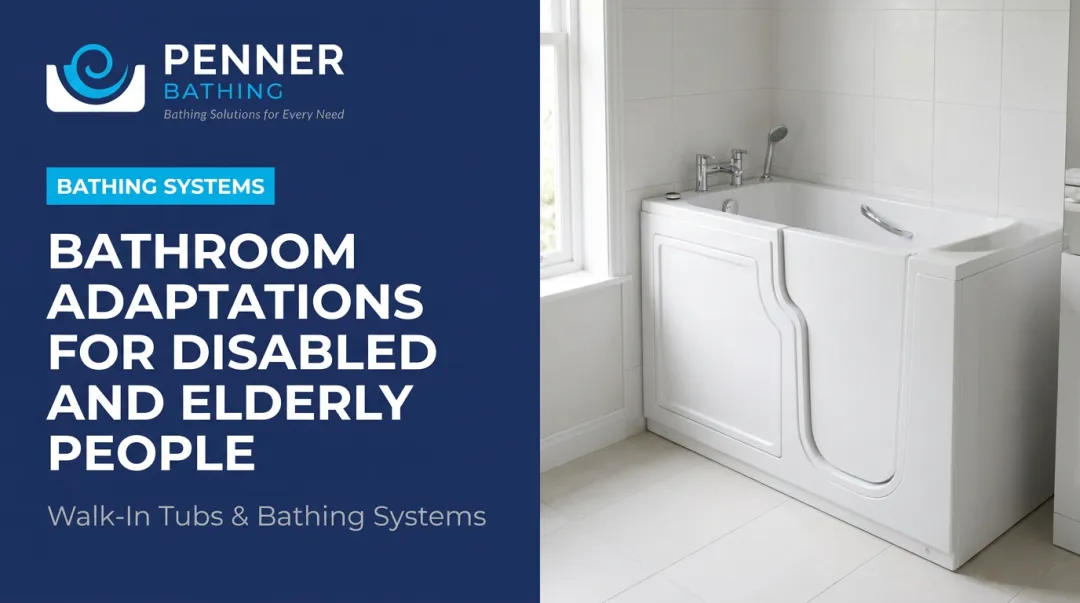
Penner Bathing's Dream Spa Walk-In Bath, for example, uses a low-threshold, wide swing-out door so bathers sit down first, then swing their legs in without stepping over a tub wall. Combined with the tub's Aqua-Aire Jet System and heated seating, this design turns hydrotherapy from a spa concept into a daily, accessible habit.

5 Proven Therapeutic Benefits of Walk-In Bathtubs
Each benefit below ties back to published research on warm-water immersion. The mechanisms are consistent: heat, buoyancy, and pressure work together to produce real physiological change.
Benefit 1: Reduces Joint and Muscle Pain
Heat relaxes tight muscles. Buoyancy takes pressure off inflamed joints. Together, they're a proven combination for conditions like arthritis, and the research backs it up. A 2023 systematic review of osteoarthritis patients found pain improved in 16 of 17 thermal-bath studies reviewed (PMC, 2023). A smaller 2025 rheumatoid arthritis trial found that patients soaking hands and feet in 41°C (about 106°F) water three times weekly for six weeks saw pain scores drop from 6.9 to 5.3, compared with almost no change in the control group. Jet systems like Penner's Aqua-Aire add targeted massage to sore areas, which can further boost circulation to stiff muscles during a soak. One Dream Spa customer, Terry D., reported that 30 minutes in the tub relieved his back pain more effectively than his usual stretching routine.
Benefit 2: Improves Circulation and Heart Health
Warm water dilates blood vessels. That basic physiological response eases the workload on your heart and boosts blood flow to your extremities. A large Japanese cohort study of over 30,000 adults found that people who bathed almost daily had a lower risk of cardiovascular events (adjusted hazard ratio of 0.72) compared with those who bathed once or twice a week (PubMed, 2020). This was an observational study, so it shows association rather than direct proof. Still, the pattern matches what we know about heat and vasodilation. For anyone managing hypertension or poor leg circulation, that daily warmth matters. It's a supplemental habit, not a medical treatment, but a consistent one worth building into a routine.
Benefit 3: Supports Circulation for People Managing Diabetes
Warm-water immersion increases blood flow to skeletal muscle, which is one reason people sometimes compare a soak to light activity. On blood sugar specifically, the clinical data is mixed. A 2021 crossover trial in adults with type 2 diabetes found that a 60-minute soak at 40°C (104°F) did not significantly change glucose tolerance or insulin sensitivity compared with a control condition (PubMed, 2021). Treat circulation-related comfort as a bonus during your soak—not a substitute for medication, diet, or monitoring your doctor recommends.
Benefit 4: Lowers Stress and Anxiety
Warm soaking triggers a relaxation response that some small studies compare favorably to moderate exercise for mood. A 2018 crossover study comparing a 10-minute warm bath to a regular shower found that bathers reported lower tension, anger, and daily stress scores than those who showered (PMC, 2018). It was a small study without cortisol measurements, so treat it as suggestive rather than definitive. Dimmed lighting or a quiet, private bathroom setup can deepen that calming effect. Used consistently, a warm soak is a reliable way to build a few minutes of daily calm into your routine—not a cure for anxiety.
Benefit 5: Boosts Sleep Quality
This is where the research is strongest. Warm bathing before bed helps trigger the body's natural temperature drop that signals sleep onset. A 2019 meta-analysis found that bathing at 40–42.5°C (104–108.5°F) for at least 10 minutes, taken 1–2 hours before bed, improved sleep quality, sleep efficiency, and shortened the time it takes to fall asleep (PubMed, 2019). Warm water increases blood flow to your hands and feet, which speeds heat loss and the core-temperature drop your body needs to fall asleep. Put the evidence to work:

- Soak 1–2 hours before bed for 10+ minutes at roughly 104–108°F
- Use buoyancy and optional jets when joints or back muscles are sore
- Keep the habit daily if you want the circulation and stress-relief upside
- Treat blood-sugar effects as unproven; follow your clinician’s plan first
Who Benefits Most From Therapeutic Walk-In Tubs
Not everyone needs a walk-in tub, but certain groups benefit the most:
- Seniors aging in place, especially those managing chronic joint pain or reduced mobility
- People recovering from surgery, who need gentle, low-impact ways to stay clean and mobile
- Anyone with a chronic pain condition, from arthritis to general muscle stiffness
Safety features matter just as much as therapeutic ones. A wide swing-out door and low-threshold entry mean bathers sit down before swinging their legs in, no stepping over a tub wall. That design cuts fall risk without sacrificing any of the hydrotherapy benefit.
Manufacturers with decades in long-term care know this balance well. Penner Bathing has built bathing systems for nursing homes and assisted living facilities since 1980, and that experience shapes the residential Dream Spa Walk-In Bath.
It pairs a low-threshold entry for safe, independent use with features built for comfort and therapy:
- Heated seating
- Aqua-Aire Jet System
- Optional PennAire Microbubble Technology for deeper cleansing
What Happens When Bathing Needs Go Unaddressed
Ignoring mobility issues in the bathroom rarely stays a small problem. It compounds.
Research on older adults found that 58.4% developed at least one episode of bathing disability over a six-year period. That disability predicted a fivefold higher risk of losing another basic daily function within the following month, according to a 2006 study.
CDC data on bathroom injuries also shows the risk climbs sharply with age, reaching over five times the rate seen in younger adults.
The pattern is predictable:
- Bathing becomes uncomfortable or scary
- Bathing frequency drops
- Reduced hygiene and mobility accelerate physical decline
- Caregiver burden increases as independence slips away

Standard tubs offer none of the hydrotherapy or safety features that interrupt this cycle. They're simply not built for it.
Getting the Most Value From a Walk-In Tub
A walk-in tub isn't a one-time fix. Its benefits build with consistent use.
- Soak regularly. Aim for 20-30 minute sessions, ideally close to bedtime if sleep is a goal.
- Match features to your needs. For pain relief, choose jet systems and heated seating. For relaxation, look at lighting and comfort features.
- Get it installed properly. Plumbing and electrical connections need to be correct for jet systems and fast-fill reservoirs to function reliably over time.
Penner Bathing recommends professional installation for its residential tubs so plumbing and electrical connections integrate correctly. Manuals cover maintenance basics such as priming pumps and setting spa timers—simple steps that keep jets, heat, and other therapeutic features working reliably.
Conclusion
Walk-in bathtubs deliver more than convenience. The research on warm-water immersion, buoyancy, and hydrostatic pressure supports real, measurable benefits: less joint pain, better circulation, lower stress, and improved sleep.
Choosing a well-built, safety-certified tub from an experienced manufacturer ensures those benefits reach you safely and consistently. Match features to your health goals—jets for sore muscles, heated seating for daily comfort—and pick a model that fits your living situation. The right tub turns warm-water therapy into a routine you can keep.
Frequently Asked Questions
Do you have to sit in a walk-in tub while it drains?
Yes, bathers typically remain seated during draining for safety, since standing on a wet surface mid-drain increases fall risk. Many models include quick-drain systems to minimize wait time before you can safely exit.
How do walk-in tubs compare to walk-in showers?
Walk-in tubs offer deep-soak hydrotherapy, benefiting pain, circulation, and sleep, but require a short fill-and-drain wait. Showers and shower chairs offer faster, no-wait accessibility but skip the immersion benefits altogether.
What is the lifespan of a walk-in tub?
Manufacturers rarely publish a universal lifespan figure, since it depends on materials, usage, and maintenance. Quality construction and certified manufacturing, like UL/CUL-listed systems, generally support longer, more reliable service.
Are the therapeutic benefits of walk-in tubs backed by research?
Yes. Multiple clinical studies support warm-water immersion's effects on pain, circulation, and especially sleep quality. Blood sugar benefits are less established, so treat that claim as investigational rather than proven.
Can anyone use a walk-in tub, or is it only for seniors?
While popular among seniors, anyone with mobility challenges, chronic pain, or injury recovery needs can benefit. The low-threshold, seated entry design helps a wide range of users bathe more safely.
Do walk-in tubs require special plumbing or electrical work?
Some models with jet systems, fast-fill reservoirs, or heated seating may need minor plumbing or electrical adjustments during installation. Professional installation is recommended to ensure these features work reliably.