
Immersion bathing means submerging the body, often up to the shoulders, in warm water. It's used for relaxation, therapy, and daily hygiene alike. This article covers the benefits, proper techniques, safety practices, and how to choose the right bathing setup for a senior or mobility-limited individual.
Key Takeaways
- Full-body warm-water immersion delivers deeper relaxation and recovery than a shower or shallow bath
- Warm-water immersion can shorten sleep-onset time and ease joint pain
- Walk-in doors, seating, and anti-slip surfaces make bathing safer for seniors
- Control water temperature, limit session length, and use supervision to keep baths safe
What Is Immersion Bathing?
Water immersion means submerging some or all of the body in water, with skin directly contacting heated or cooled water (An et al., 2019). It differs from a sponge bath or a shallow soak that only covers the lower body.
Immersion bathing takes a few forms:
- Recreational soaking — spa or home tub use for relaxation
- Therapeutic hydrotherapy — clinically guided immersion targeting pain or mobility
- Clinical immersion — facility-based bathing for patient care, including practices like swaddle bathing for newborns
Where It Shows Up in Long-Term Care
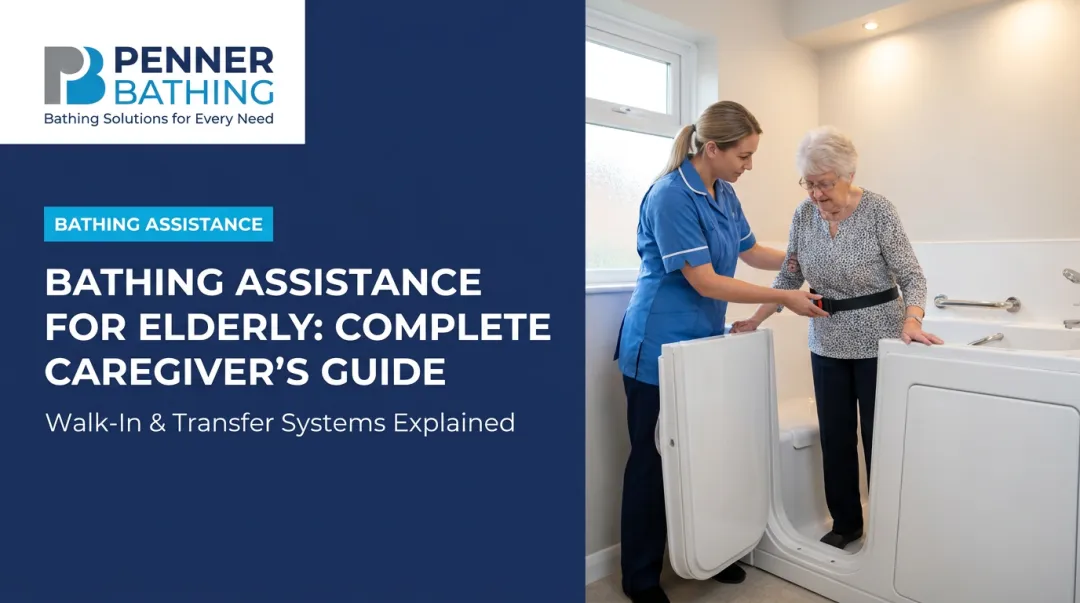
In nursing homes and assisted living communities, immersion bathing often relies on specialized walk-in tubs and bathing systems. These systems prioritize resident safety, with designs that support people who cannot safely enter or exit a standard tub.
The Health Benefits of Immersion Bathing
Pain Relief and Circulation
Warm water increases blood flow to stiff joints and muscles. A 2023 review of osteoarthritis trials found that 16 of 17 studies reported significant pain reduction from thermal-mineral bathing, though most sessions ran 20-30 minutes daily over several weeks (balneotherapy review).
That is a supervised therapy protocol, not proof that any warm bath produces the same result. Still, the pattern is consistent enough to matter.
Penner Bathing customer Terry D. from Nebraska put it simply: 30 minutes in his Dream Spa eased his back pain more than any exercise routine he had tried. He expected the same relief for knee and ankle soreness.
Circulation improves for a related reason. Warm water triggers vasodilation, widening blood vessels and easing blood flow. In one small study, immersion at 40.5°C measurably lowered arterial pressure during the following hour of recovery.

Muscle Relaxation, Sleep, and Emotional Well-Being
Buoyancy takes pressure off the spine and joints, which explains why aquatic therapy shows up in fibromyalgia and back-pain research. A 2022 meta-analysis of 597 low-back-pain patients found meaningfully lower pain scores after aquatic therapy programs, though the evidence certainty was rated low (meta-analysis).
The benefits extend past joint relief:
- Sleep: A 2019 systematic review found that warm bathing 1-2 hours before bed helped people fall asleep faster. Warm water raises skin temperature; the cool-down that follows helps core temperature drop and cues the body toward sleep.
- Dignity and autonomy: Safe, independent bathing matters emotionally too. In a qualitative study of adults 78 and older, every participant called bathing personally meaningful — linked to both pleasure and control over daily life.
Skin care note: Immersion is not automatically gentler than scrubbing. Any washing increases water loss from skin. For aged skin, use a low-irritant cleanser, keep friction low, and moisturize thoroughly afterward.
Immersion Bathing Techniques & Best Practices
Temperature and Duration
No single temperature fits every bather, but these benchmarks are a solid starting point:
| Context | Benchmark |
|---|---|
| Arthritis Foundation guidance | 95-100°F, about 20 minutes |
| Sleep research | 104-108.5°F, at least 10 minutes, pre-bed |
| General senior caution | Cooler water for anyone with heart disease |
Older adults often perceive hot water as less warm than it actually is. A Japanese study found men aged 60+ rated 42°C water as comfortable even while their blood pressure and pulse shifted noticeably. Use a thermometer, not comfort alone, to judge water temperature.
Sessions typically run 10-20 minutes. Longer soaks risk overheating and skin dehydration, especially for older adults with reduced heat sensitivity.
Step-by-Step Safe Bathing
- Check water depth and temperature before entry — never rely on touch alone
- Enter through a low-threshold door rather than stepping over a tub wall
- Sit using a built-in seat, keeping hands on grab bars or hand grips during transfer
- Soak for the recommended duration, watching for dizziness or discomfort
- Exit slowly, using handrails and non-slip surfaces the whole way

Supervision and Hygiene
Caregivers should stay present for anyone with cognitive impairment, limited mobility, or cardiovascular conditions. Stop the bath immediately for dizziness, nausea, or confusion.
Infection control matters just as much as transfer safety in shared settings. CDC guidance calls for draining, cleaning, and disinfecting shared bathing equipment after every patient (CDC infection control guidance).
Penner healthcare bathing systems run an automatic disinfection cycle between uses, with panel controls such as "Disinfect Jets" and continuous BioCote antimicrobial surface protection. That design cuts dependence on staff completing every manual step the same way each time.
Safety Considerations for Seniors and Mobility Challenges
Standard tubs are a real hazard. CDC data show bathtubs and showers account for 68.3% of bathroom injuries among adults 15 and older (CDC bathroom injury data). People 85+ face the highest injury rate of any age group. Most of these injuries happen during bathing or while entering and exiting the tub.
Walk-in tubs address this by removing the need to step over a high wall. Key safety features to look for:
- Low-entry, swing-out doors
- Seating and hand grips near the entrance
- Non-slip flooring
- Reachable controls near the seat
Penner's Dream Spa Walk-In Bath is built for residential and long-term-care settings. It includes a wide swing-out door, low-threshold entry, seated entry and exit, and a handheld shower wand. Penner's healthcare-grade bathing systems add fast-fill reservoirs and automatic disinfection to cut staff prep time and cross-contamination risk between residents.

Water temperature is another major risk. CDC advises keeping supply water below 120°F. At 140°F, serious burns can happen in about 3 seconds; at 120°F, it takes roughly 10 minutes. Anti-scald or thermostatic mixing valves matter regardless of tub style.
Choosing the Right Immersion Bathing Solution
The right system depends heavily on who's using it and where.
For facilities, prioritize:
- Cleanability: every surface should be reachable for disinfection
- Staff time savings, like fast-fill reservoirs
- Configuration flexibility that fits existing bathing rooms without remodeling
- Bariatric and transfer options where needed
For residential homeowners aging in place, prioritize:
- Comfort features like heated seating or microbubble jets
- Footprint fit for the existing bathroom
- Lower upfront cost: Penner's Dream Spa starts around $5,950, versus $11,000–$25,000 for full healthcare systems
A quick comparison:
| Factor | Facility Priority | Residential Priority |
|---|---|---|
| Cleaning | Documented disinfection cycle | Basic hygiene features |
| Transfers | Bariatric capacity, lift integration | Self-entry design |
| Cost | Higher, spread across many residents | Lower upfront investment |
| Training | Staff training required | Family orientation |

Working with an experienced manufacturer for on-site evaluation makes the transition smoother. Penner's process includes evaluating the space, custom-fitting from 38+ models with right-side, left-side, and end-opening doors, and providing staff training plus 24/7 phone support after installation.
Frequently Asked Questions
What is immersion in water?
Immersion means submerging some or all of the body in water, with skin directly contacting the water. It's distinct from sponge baths or shallow washes that don't fully submerge the body.
How long should an immersion bath last?
Most immersion bathing sessions last 10-20 minutes. The exact time depends on water temperature and the individual's health needs. Keep sessions shorter for anyone sensitive to heat.
Is immersion bathing safe for people with heart conditions?
Consult a physician first. Hot water can strain the cardiovascular system, so cooler water and shorter sessions are generally recommended for anyone with heart disease.
Can immersion bathing help with arthritis pain?
Warm water hydrotherapy has been linked to reduced joint stiffness and improved mobility in people with arthritis, particularly with consistent short sessions at moderate temperatures.
How often should seniors take immersion baths?
There's no universal rule. Frequency should follow skin condition, comfort, and any care plan. Many seniors bathe a few times weekly to daily based on individual needs.
What features should I look for in a walk-in tub for immersion bathing?
Look for low-entry doors, built-in seating, non-slip flooring, and fast-fill or fast-drain capability. Anti-scald valves and grab bars add another layer of protection.