In modern long-term care, the choice between a shower and a bath is person-centered care in action. For Directors of Nursing and administrators, bathing solutions for healthcare have to do two jobs at once: keep throughput realistic on busy days and still provide deeper therapeutic options that residents actually accept.
The real “shower vs. bath” debate isn’t about picking one winner. It’s about building multi-modal flexibility so your spa room can meet different needs without creating separate wings, separate workflows, and separate headaches.
Why Preference Matters More Than Many Facilities Expect
Resident preferences around bathing are often consistent. When you honor those preferences, you’re supporting autonomy and reducing the anxiety that can come with personal care. And in LTC, lower anxiety often shows up as fewer refusals, fewer escalations, and fewer rushed workarounds.
Practically, preference also affects staffing. A resident who resists showers can consume far more staff time than a resident who calmly accepts a structured routine. Efficiency isn’t only about speed; it’s about cooperation.
Quick Shower vs. Therapeutic Whirlpool Bath: Different Tools, Different Outcomes
Here’s a simple way to frame the strategic divide for leadership teams:
| Feature | The Quick Shower | The Therapeutic Whirlpool Bath |
|---|---|---|
| Primary goal | Efficiency and high-volume hygiene | Comfort support and emotional wellness |
| Typical use | Quick rinse, skin folds, peri-care | Warm immersion, relaxation, “spa-like” routine |
| Resident profile | Higher mobility or time-pressed residents | Residents with arthritis/chronic pain, anxiety, or dementia-related distress |
| Staff impact | Faster turnover, but more standing and wet-room strain | Longer session, but often less manual handling once positioned |
Both have a place in a strong bathing program. The problem starts when a facility only has one mode, especially if that mode is a traditional shower stall that feels cold, loud, or aggressive to certain residents.
One Room, Many Modes: The Case for Multi-Modal Bathing Solutions for Healthcare
If space is limited (and it usually is), your best ROI often comes from making one spa room do more than one job. Multi-modal systems let you match the bathing method to the resident, without moving them from room to room or changing the entire staffing plan.
Integrated Showering Inside a Bathing System
In an ideal multi-modal workflow, a resident can receive therapeutic immersion and then finish with a hygiene-focused rinse without transferring to a separate shower stall.
That matters because transfers are often the hardest part of the entire process: they increase time, introduce risk, and can trigger anxiety. When the rinse happens in the same seated position, staff can complete the bath thoroughly while keeping the routine predictable.
Reducing the “Car Wash” Experience, Especially in Memory Care
Many residents dislike showers because the sprayed sensation can feel harsh or startling. In memory care, high-pressure spray, echoing tile noise, and sudden temperature shifts can increase resistance to care.
Multi-modal options allow staff to pivot in the moment:
- Start with a calmer approach (warm soak or towel-bath style cleansing).
- Use gentler water flow when the resident is ready.
- Maintain warmth and coverage longer to preserve dignity.
When residents feel secure, the entire process becomes smoother, and staff don’t have to “push through” distress to finish a task.
Maximizing Versatility for ROI and Staffing Stability
A flexible system becomes a true “multi-tool”:
- A resident who needs a 10-minute hygiene refresh can be handled efficiently.
- A resident who benefits from 20 minutes of warm therapy can receive it without disrupting the room’s overall utility.
- Staff benefit from a more ergonomic working position than many wet-room shower stalls provide.
Over time, versatility can help you avoid the hidden costs of a rigid program: refusals, reschedules, two-person assists that become routine, and staff burnout tied to uncomfortable working conditions.
Three Practical Tips for Administrators and DONs
If you’re leading nurses and attending staff, here are a few things you also need to know about resident preferences and staff workload:
1) Audit “Choice Frequency” and Refusal Patterns
Don’t guess. Track it for a few weeks:
- How many residents prefer shower vs. bath?
- How many refuse showers, and why (cold, discomfort, fear, modesty)?
- Are refusals clustered in a specific wing, shift, or time of day?
If you find a meaningful portion of residents consistently resisting showers, that’s not “behavior.” That’s a program mismatch, and it’s a strong signal to consider bathing solutions for healthcare that offer a warmer, more dignified alternative.
2) Evaluate Staff Strain: Where It Actually Happens
Traditional showers can force caregivers to work in wet, slippery environments with prolonged standing and awkward reach. Even if no one reports pain, strain shows up later as call-outs, role avoidance (“I’ll do anything but showers”), and turnover.
Look for options that:
- Keep staff positioned more securely and ergonomically.
- Reduce wet-floor exposure.
- Simplify the rinse process without requiring extra transfers.
3) Future-Proof Expectations for a More “Spa-Like” LTC Experience
As newer cohorts enter long-term care, expectations for privacy, comfort, and choice tend to rise. A multi-modal spa room supports that shift without requiring separate shower and bath build-outs. It’s a practical upgrade that also aligns with reputation: families notice when personal care looks calm and respectful, not rushed and clinical.
Where Penner Fits: Multi-Modal Flexibility Without Building a “Shower Wing” and a “Bath Wing”
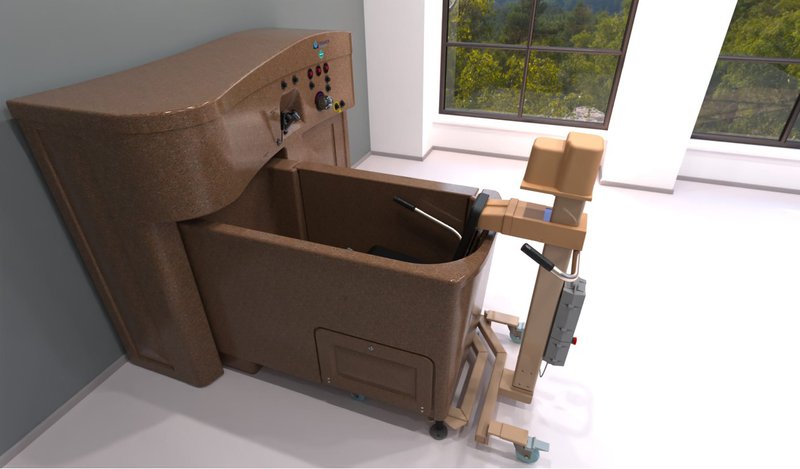
Penner Bathing is built around a flexibility-first approach. With 40 different bathing system combinations, facilities can configure a spa room that supports both quick hygiene routines and deeper therapeutic sessions without splitting the building into separate bathing zones.
Many Penner whirlpool systems (including models such as the Cascade or Superior) integrate handheld shower wands, enabling a workflow where a resident can soak for comfort and then receive a thorough rinse while remaining seated.

For facilities trying to maximize square footage, options like the Pacific or Contour can function as versatile “one-room, many-modes” solutions: accommodating a faster routine when needed, a longer Aqua-Aire-style session when appropriate, and an ergonomic workspace for staff throughout.
Review Multi-Modal Bathing Options for Your Facility With Penner Bathing
The most efficient bathing program is the one residents don’t resist. When your bathing solutions for healthcare respect both the need for a quick rinse and the desire for a calm, therapeutic soak, you reduce refusals, protect staff bandwidth, and create a culture of care that feels more human.
Contact Penner Bathing to discuss a bathing workflow that fits your facility and supports both shower and bath preferences.